Excavators: Versatile Machines Shaping Modern Construction and Beyond
In the realm of heavy machinery, excavators stand out as indispensable workhorses, driving progress in construction, mining, agriculture, and various other industries. These powerful machines, with their robust build and multifunctional capabilities, have revolutionized the way we approach large-scale projects. From digging foundations for skyscrapers to clearing land for agricultural expansion, excavators play a pivotal role in turning ambitious plans into tangible realities. This article will delve into two key aspects of excavators—their diverse types and wide-ranging applications, as well as essential maintenance practices to ensure their longevity and optimal performance.
Types of Excavators and Their Diverse Applications
excavators come in a variety of types, each designed to excel in specific tasks and environments. Understanding the different types and their applications is crucial for selecting the right machine for a particular job, ensuring efficiency and productivity.
Crawler Excavators: Conquering Challenging Terrains
Crawler excavators are equipped with tracks instead of wheels, making them ideal for navigating rough, uneven, or soft terrains. The tracks distribute the machine's weight evenly, reducing ground pressure and preventing it from sinking in muddy or sandy areas. This feature makes them a top choice for construction sites in remote locations, mining operations, and forestry work.
In construction, crawler excavators are widely used for digging trenches, foundations, and basements. Their powerful hydraulic systems allow them to handle heavy loads, making them suitable for lifting and moving large rocks, debris, and construction materials. In mining, they are employed to extract minerals and ores from the earth, with their ability to reach deep into the ground and handle tough rock formations. Additionally, in forestry, these excavators are used for clearing land, felling trees, and moving logs, thanks to their stability and strength on uneven forest floors.

Wheeled Excavators: Agile Performers on Hard Surfaces
Wheeled excavators, as the name suggests, are mounted on wheels, which gives them greater mobility and speed on hard, paved surfaces such as roads, highways, and urban construction sites. They can easily move between different areas of a job site without causing significant damage to the ground, making them more versatile in urban environments.
Wheeled excavators are commonly used in road construction and maintenance. They can dig ditches for utility lines, grade the road surface, and load construction materials onto trucks. In urban construction, they are used for building foundations, demolishing small structures, and handling materials in tight spaces. Their mobility also makes them suitable for emergency situations, such as clearing debris after a natural disaster.

Mini Excavators: Precision in Compact Spaces
Mini excavators are small - sized machines that are perfect for working in tight spaces, such as residential areas, gardens, and indoor construction sites. They are lightweight and maneuverable, allowing them to access areas that larger excavators cannot reach. Despite their small size, mini excavators are equipped with powerful hydraulic systems that enable them to perform a variety of tasks with precision.
In residential construction, mini excavators are used for digging trenches for water and sewer lines, building retaining walls, and landscaping. They can also be used for demolishing small structures, such as sheds and garages, without causing damage to surrounding properties. In indoor construction, such as basement renovations, mini excavators are invaluable for digging and moving materials in confined spaces.

Maintenance and Longevity of Excavators
Proper maintenance is essential to ensure the longevity and reliable performance of excavators. Regular upkeep not only reduces the risk of breakdowns but also improves fuel efficiency and extends the machine's lifespan. Here are some key maintenance practices for excavators.
Regular Inspections and Fluid Checks
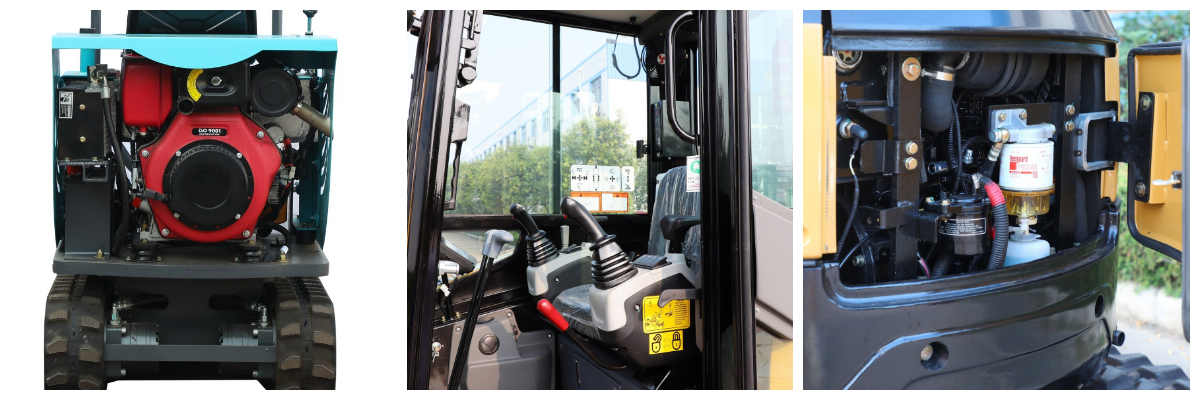
Regular inspections are the cornerstone of excavator maintenance. Before each use, operators should check the machine's overall condition, including the tracks or wheels, hydraulic hoses, buckets, and other attachments. They should look for signs of wear, damage, or leaks. Paying close attention to the hydraulic system is crucial, as it is the heart of the excavator. Checking hydraulic fluid levels and ensuring that the fluid is clean and free from contaminants is essential for the smooth operation of the system.
Engine oil, coolant, and fuel levels should also be checked regularly. Low engine oil can cause excessive wear on engine components, while insufficient coolant can lead to overheating. Fuel filters should be replaced at regular intervals to prevent dirt and debris from entering the engine, which can cause damage and reduce performance.
Lubrication of Moving Parts
excavators have numerous moving parts, such as hinges, pins, and bearings, which require regular lubrication to reduce friction and prevent wear. Lubricating these parts at the recommended intervals ensures that they move smoothly and efficiently. Using the correct type of lubricant is important, as different parts may require different viscosities and properties. Operators should refer to the excavator's manual to determine the appropriate lubricant and lubrication schedule.
Cleaning and Storage
Keeping the excavator clean is not just about appearance; it also helps in identifying potential problems early. After each use, the machine should be cleaned to remove dirt, mud, and debris. This includes cleaning the tracks or wheels, the undercarriage, and the hydraulic components. Removing debris from the radiator and cooling system is particularly important to ensure proper heat dissipation.
Proper storage is also crucial for maintaining the excavator's condition during periods of inactivity. The machine should be stored in a dry, covered area to protect it from the elements. If storing outdoors is unavoidable, using a waterproof cover can help prevent rust and damage. Before storing, the fuel tank should be filled to prevent condensation, and the battery should be disconnected or kept on a trickle charger to maintain its charge.
In conclusion, excavators are versatile machines that play a vital role in various industries. Understanding the different types of excavators and their applications allows for informed decision - making when selecting the right machine for a job. By following proper maintenance practices, owners and operators can ensure that their excavators remain in top condition, providing reliable performance for years to come. Whether it's a crawler excavator tackling rough terrain, a wheeled excavator moving swiftly on urban roads, or a mini excavator working in tight spaces, these machines continue to shape our world through their power and precision.