

Mini Excavator: Rent or Buy? Why Buying is the Smarter Long-Term Investment
When tackling a backyard renovation, farm project, or small construction job, a practical question always surfaces: Should I rent a mini excavator, or should I buy one? At first glance, renting seems easier and more flexible—no large upfront cost, and no maintenance hassles. Quick online calculators often seem to support this choice.
However, a deeper look at the true costs and long-term value reveals a clear conclusion: For most users with frequent needs or ongoing projects, purchasing a mini excavator is far more economical than renting. It’s a genuine long-term investment.
The Math: The "Break-Even Point" Where Buying Wins
Let’s look at a straightforward comparison.
Typical Rental Scenario (North American Market):
Daily Rate: $250 – $400
Weekly Rate (often 3-4x daily): ~$800 – $1,200
Monthly Rate: $2,500 – $3,500
Purchase Scenario (New, mainstream 1.5-2 ton model):
Initial Purchase Price: $25,000 – $40,000
Annual Maintenance (with normal use): ~$500 – $1,000
The Critical Analysis:
If your project needs add up to 2-3 months of rental time, the money spent on rent approaches or even exceeds the down payment on a new machine or the full price of a quality used one. A well-maintained mini excavator can easily last over 10 years (10,000+ hours).
The "Break-Even Point" is clear: If you anticipate needing the machine for more than 6 months (approx. 1000 hours) over the next 2-3 years, owning becomes the undeniable financial winner.
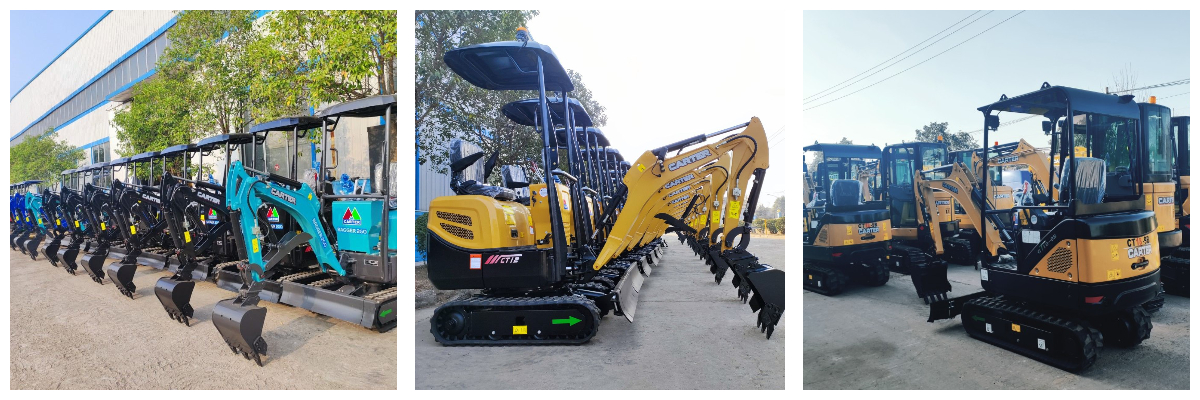
Hidden Costs & Hidden Benefits
The true cost of renting goes beyond the invoice:
Time & Logistics: Every project requires scheduling, pickup, transport, and return. This time is a cost, and late returns can mean extra fees.
Lost Efficiency: You lose time familiarizing yourself with a different machine each time.
Project Delays: During peak season, the machine you need may not be available.
Meanwhile, the hidden benefits of owning are often overlooked:
You Own an Asset: The machine is capital equipment. You can rent it out between projects for income or sell it later, recouping a significant portion of your investment. Quality brands hold their value well.
Peak Efficiency & Familiarity: You know your machine intimately, leading to faster, better work. Attachment compatibility is never an issue.
Unlimited Project Freedom: Need to dig a pond on a whim? Emergency pipe repair? Your machine is ready 24/7.
Who Should DEFINITELY Buy?
The case for buying is strongest for:
Small Contractors & Landscapers: Your equipment is your livelihood. Ownership allows faster response, projects a professional image, and controls your core costs.
Farmers & Ranchers: Fencing, drainage, land clearing, feeding—uses are endless and year-round.
Owners of Large Properties: If you have multiple acres or several properties, your own machine becomes part of your "home infrastructure."
Serious DIYers & Project Enthusiasts: If you have a multi-year project list (a cabin, landscape features), the convenience and economics of owning quickly outweigh renting.
Smart Buying Tips
Choosing to buy requires a smart approach:
Assess Your Real Needs: Match the machine size (1-8 ton) and essential attachments (bucket, compactor, auger) to your most common tasks.
Consider Quality Used Equipment: A well-maintained used mini ex is a fantastic, lower-cost entry point. Many rental companies sell off their maintained fleet units.
Budget for Maintenance: Regular fluid/filter changes and undercarriage care ensure long life and high resale value.
Explore Financing: Dealers often offer plans that can make monthly payments comparable to rental fees, but you end up owning a valuable asset.
Final Verdict: Run Your "Total Project" Math
Renting makes perfect sense for: one-off, very short-term (days), or highly specialized jobs. It's a valuable testing ground.
But for anyone with sustained, long-term, or foreseeable recurring needs, buying a mini excavator isn't just an expense—it's a capital investment that boosts efficiency, can generate income, and wins financially in the end.
Ask yourself:
Will my total use over 2-3 years exceed 3 months?
What is the value of having a machine ready at a moment's notice for my business or projects?
Am I willing to invest upfront to control my long-term costs and gain autonomy?
If your answers lean "yes," then the path to more efficient and economical work is clear—it's time to own your own powerhouse.


